
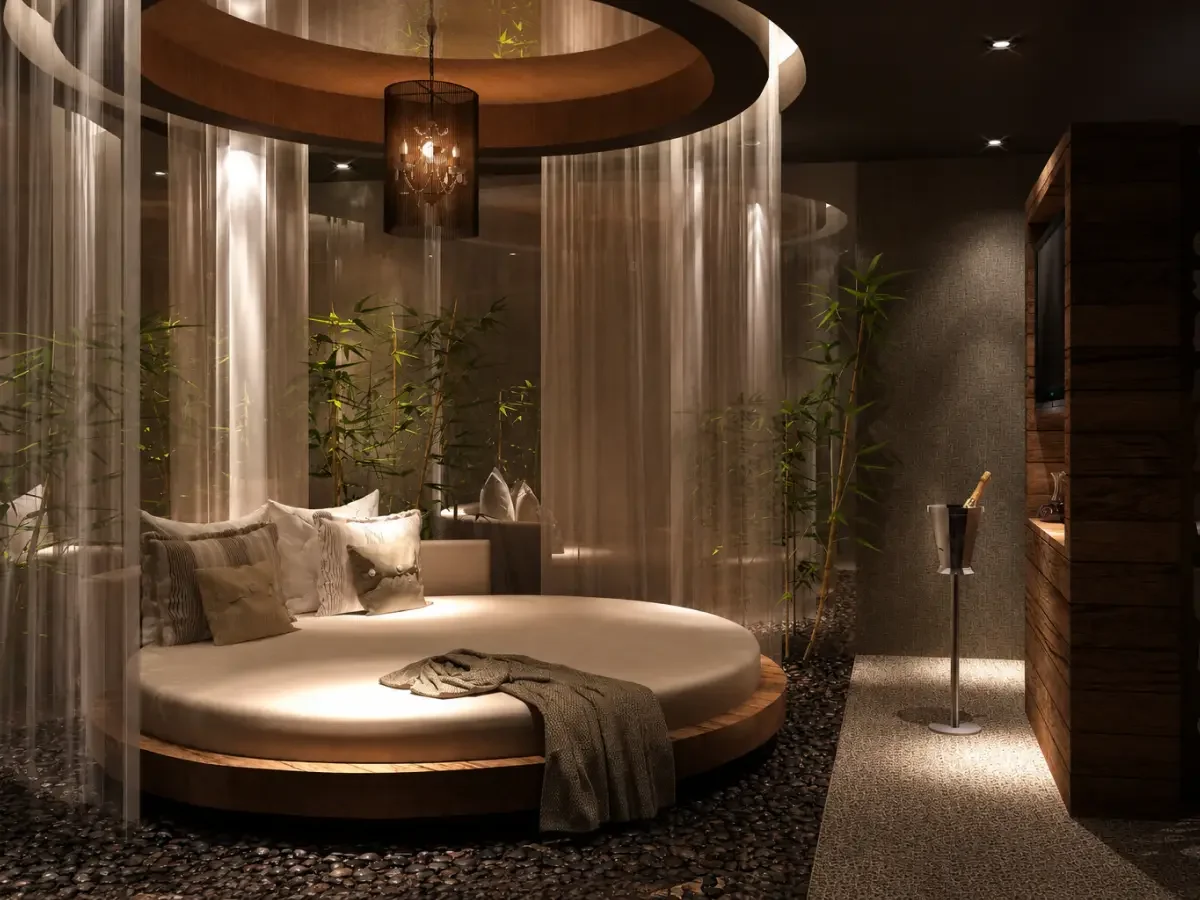
True relaxation is harder to design than it looks. We explore the elements that help create quieter, restorative spaces where guests can genuinely switch off.
A relaxation space can appear simple. A comfortable place to lie down, gentle lighting and a quiet atmosphere might seem to be all that is needed.
Yet the experience depends on a series of carefully considered decisions. Where the space sits within the spa, how people move around it, what guests can hear and how much privacy they feel all influence whether they settle comfortably or remain aware of everything happening around them.
At Butterscotch Design, we consider rest from the earliest stages of spa planning. Relaxation spaces help shape the pace of the guest journey, providing opportunities to pause between treatments, thermal experiences and time spent in water.
Making room for rest
The planning of a spa often begins with its principal facilities: treatment rooms, pools, saunas and steam rooms. Relaxation needs to be considered alongside these experiences, with sufficient space and a clear purpose within the overall layout.
A lounge beside a busy pool offers a different experience from a quiet room beyond the treatment suite. Both can be valuable, provided their location reflects how guests are expected to use them.
We consider arrival routes, circulation and the relationship between quieter and more active areas. Guests should be able to settle without feeling that they are sitting in a passageway or occupying a space others need to cross.
The approach to a relaxation area matters too. A gradual transition in lighting, sound and enclosure can help establish a quieter atmosphere before guests reach their seat.
Comfort in the detail
The appearance of a lounger tells only part of the story.
Its proportions, support, upholstery and position influence how comfortable it feels over time. Guests also need somewhere convenient to place a drink, rest a book or keep a robe within reach.
Different people relax in different ways. Some prefer to recline, while others feel more comfortable sitting upright. Couples may want to sit together, while individual guests may appreciate greater separation.
A considered mix of seating can accommodate these preferences without making the room feel crowded. Space around each seat, the direction it faces and its relationship with neighbouring furniture all contribute to a sense of ease.
Designing for quiet
Sound is particularly noticeable when there is little else competing for our attention.
Conversation from a corridor, doors closing or noise from nearby water features can interrupt an otherwise peaceful space. These relationships are best addressed during planning, when there is greater scope to position rooms carefully and consider acoustic separation.
Within the space, suitable acoustic finishes and soft furnishings can help manage reverberation. Materials need to be selected for the conditions of the spa, including humidity, cleaning and frequent use.
Music and water can contribute to the atmosphere, but their volume and character need careful consideration. Guests should have the opportunity to enjoy quieter areas where added sound is minimal.
Light, privacy and a connection outside
Relaxation spaces do not all need the same lighting approach.
An enclosed room with subdued, layered lighting may offer a welcome sense of retreat. A garden-facing lounge can provide a different kind of calm, with daylight and views giving guests something gentle to observe.
The position of seating is important in both settings. Direct glare, exposed sightlines or a strong feeling of being overlooked can make it harder to settle.
At Homefield Grange, reclaimed barn timber and rustic detailing connect the relaxation space with the retreat’s rural heritage. The materials help give the room a warm, familiar character, grounded in its setting.
Where views are available, planting, screens and the orientation of furniture can balance outlook with privacy. Outdoors, shelter and shade help make relaxation spaces comfortable in changing conditions.
A choice of ways to pause
A single relaxation room may need to serve guests with very different expectations.
Some will want to talk quietly after a shared experience. Others will be looking for solitude, a place to read or an opportunity to close their eyes.
Where space allows, providing distinct settings can make these uses easier to accommodate. A sociable lounge, a quiet retreat and sheltered garden seating each offer a different way to spend time.
These choices also need to work operationally. Refreshments, linen storage and staff access should be convenient, with servicing arranged to minimise disturbance.
Giving rest a place in the journey
A well-designed relaxation space gives guests permission to stay.
There is no uncertainty about where to sit, no need to move for passing traffic and no sense that the next experience must begin immediately.
At Butterscotch Design, we bring together spatial planning, materials, lighting and the smaller details of comfort to create these opportunities for pause.
Giving people time and space to do very little is an important part of the spa experience. The design should make that feel effortless.