
Designing with Nature: A Considered Approach to Wellness
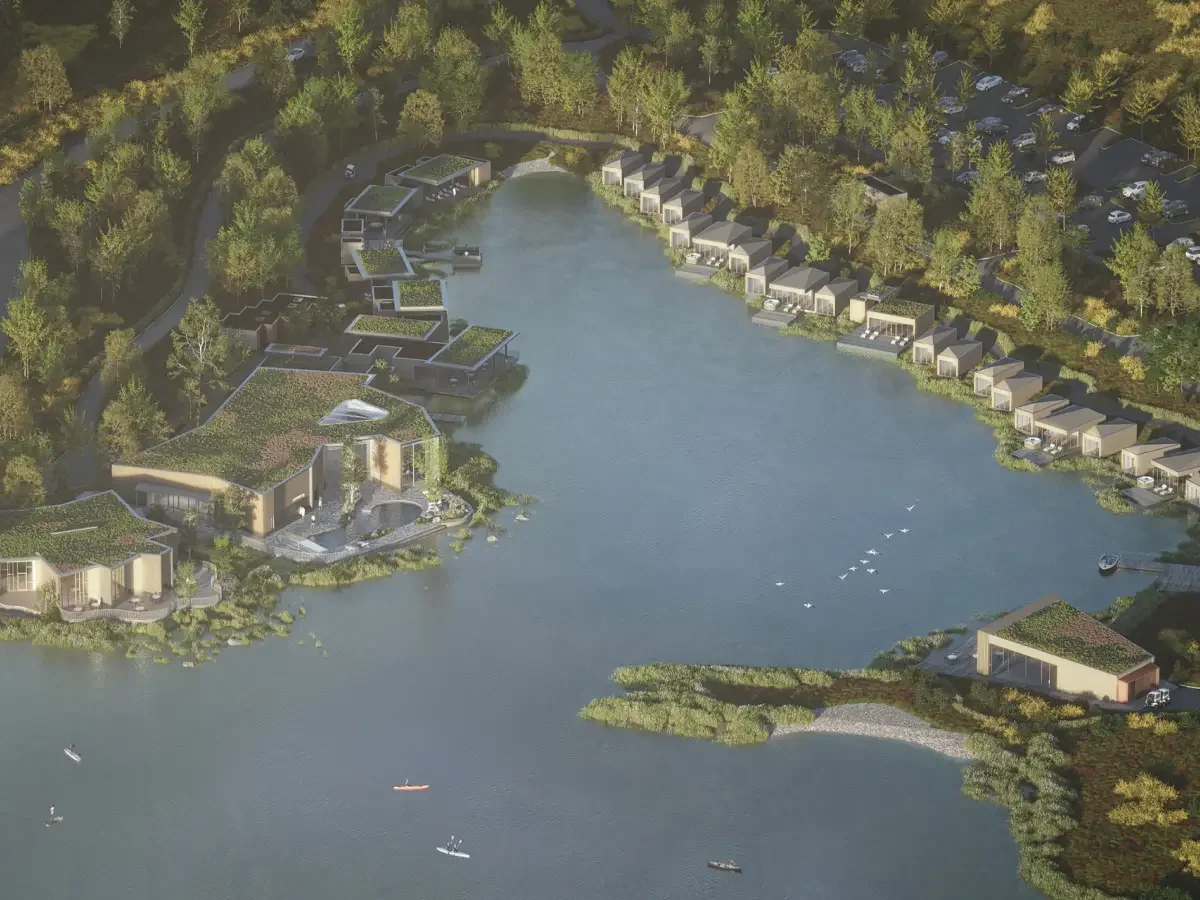
How can wellness design work more closely with its surroundings? We explore the role of landscape, natural materials and considered design in creating spaces that feel connected to place.
Nature has a powerful influence on how we experience spaces. Natural light, views of the landscape, the texture of timber and stone, and the gentle movement of water can all contribute to an atmosphere that encourages relaxation and wellbeing.
In spa and wellness design, these connections provide opportunities to create environments that feel restorative, welcoming and rooted in their surroundings.
At Butterscotch Design, we draw inspiration from the natural and architectural character of each location. Understanding the landscape, existing buildings and materials helps shape our approach, creating distinctive wellness spaces with a strong sense of place.
This also encourages a more considered approach to design, where existing features are celebrated, materials are selected with care and the long-term use of a space is considered from the outset.
A connection to the landscape
The relationship between interior spaces and the surrounding landscape is an important consideration in wellness design.
Views towards gardens, woodland or open countryside can bring a sense of calm to relaxation areas, while natural daylight introduces subtle changes in atmosphere throughout the day.
We explore these connections during the early stages of spa planning, considering how the arrangement of facilities can make the most of a building’s setting.
Positioning relaxation spaces alongside large windows, creating views from hydrotherapy pools or introducing direct access to outdoor wellness gardens can strengthen the relationship between the spa and its surroundings.
Where privacy is important, carefully positioned planting, architectural screening and enclosed courtyards can provide a sense of seclusion while maintaining a connection to nature.
These relationships are particularly valuable in destination spas and wellness retreats, where the surrounding landscape often forms an important part of the guest experience.
Natural materials and their character
Material selection has a significant influence on the atmosphere of a spa.
Timber, natural stone, slate and other tactile materials introduce warmth, texture and subtle variations in colour. Their individual characteristics can help establish a design language that feels appropriate to the setting.
At Homefield Grange, a wellness and detox retreat in the Northamptonshire countryside, the site’s history as a former dairy farm provided the inspiration for our spa interior design.
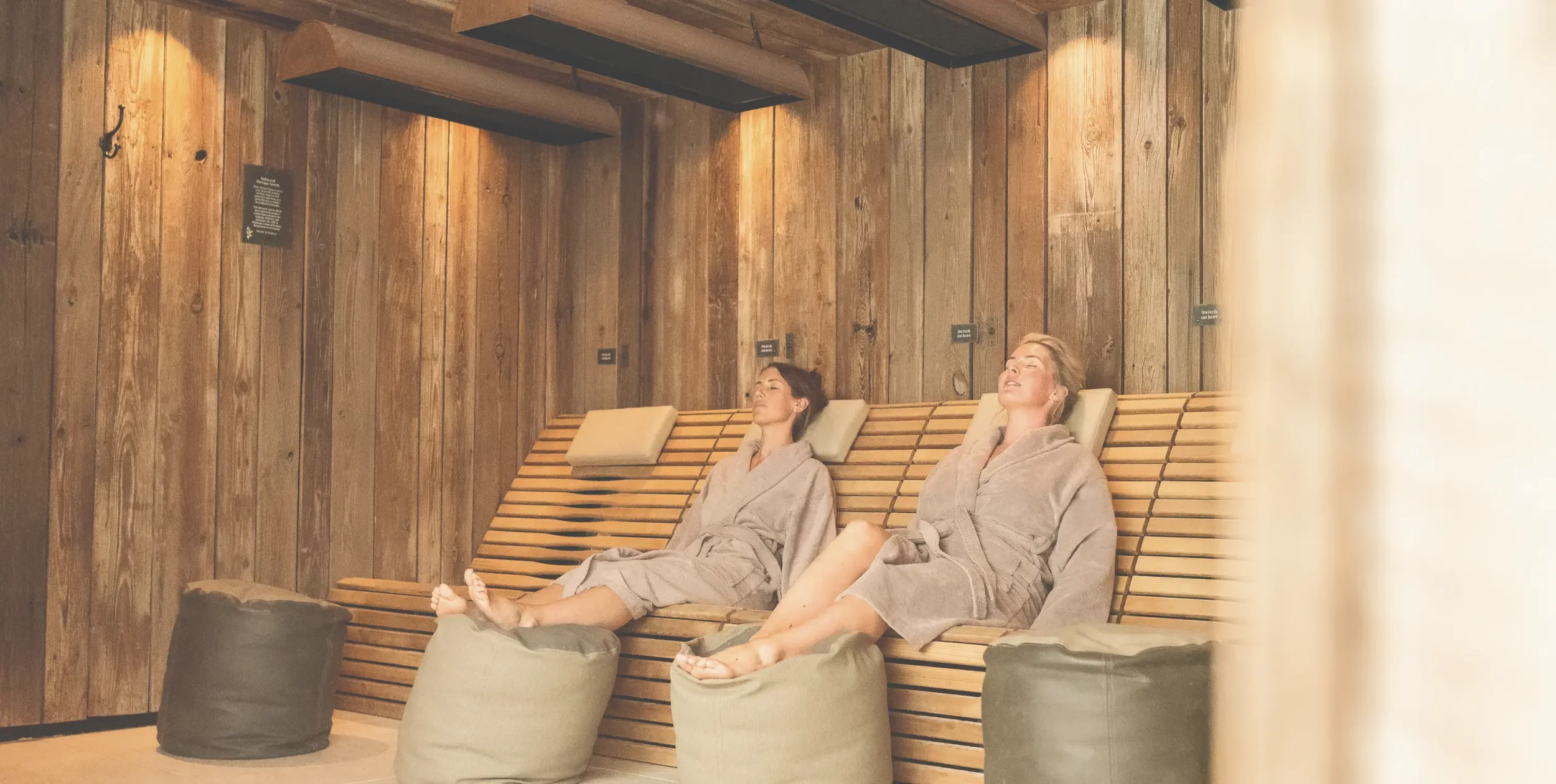
Homefield Grange’s relaxation space combines reclaimed barn timber, rustic detailing and infrared heat lamps, reflecting the retreat’s rural heritage.
We explored traditional agricultural materials and construction techniques, introducing reclaimed rustic barn cladding, real dry stone walls and solid slate worktops.
The natural palette reflects the rural character of the property, with textured surfaces and traditional detailing creating a relaxed, welcoming environment.
Large areas of natural light further strengthen the connection with the surrounding countryside.
By drawing on the building’s original purpose, the design establishes a relationship between the retreat’s past and its contemporary use as a place for rest and wellbeing.
Bringing the outdoors inside
Biophilic design explores the relationship between people and nature within the built environment.
In spa design, this can influence the selection of materials, the use of planting, the introduction of natural light and the way spaces connect visually and physically with their surroundings.
At Champneys Forest Mere, the woodland setting became the starting point for a distinctive nature-inspired thermal spa.
Our concept brought elements of the forest directly into the interior, incorporating specially treated real pine trees, rustic waney-edge timber and natural textures throughout the space.
These features were integrated with contemporary thermal facilities, creating the sensation of moving through a woodland environment.
The design also introduced contrasting sensory experiences, including the UK’s first real snow cabin and a woodland-inspired Jacuzzi bath.
Natural materials, planting and atmospheric lighting helped establish a consistent character throughout the thermal journey, connecting the individual experiences to the wider woodland concept.
Working with existing architecture
A considered approach to wellness design begins with understanding the building itself.
Existing architectural features, traditional materials and the original character of a property can provide valuable inspiration for a new spa environment.
Retaining and adapting suitable elements can also help reduce the need for unnecessary replacement, while preserving the qualities that make a building distinctive.
In historic properties, this requires a sensitive balance between architectural character and the technical requirements of contemporary spa facilities.
At Dromoland Castle in County Clare, Ireland, the historic architecture informed our approach to the spa design.
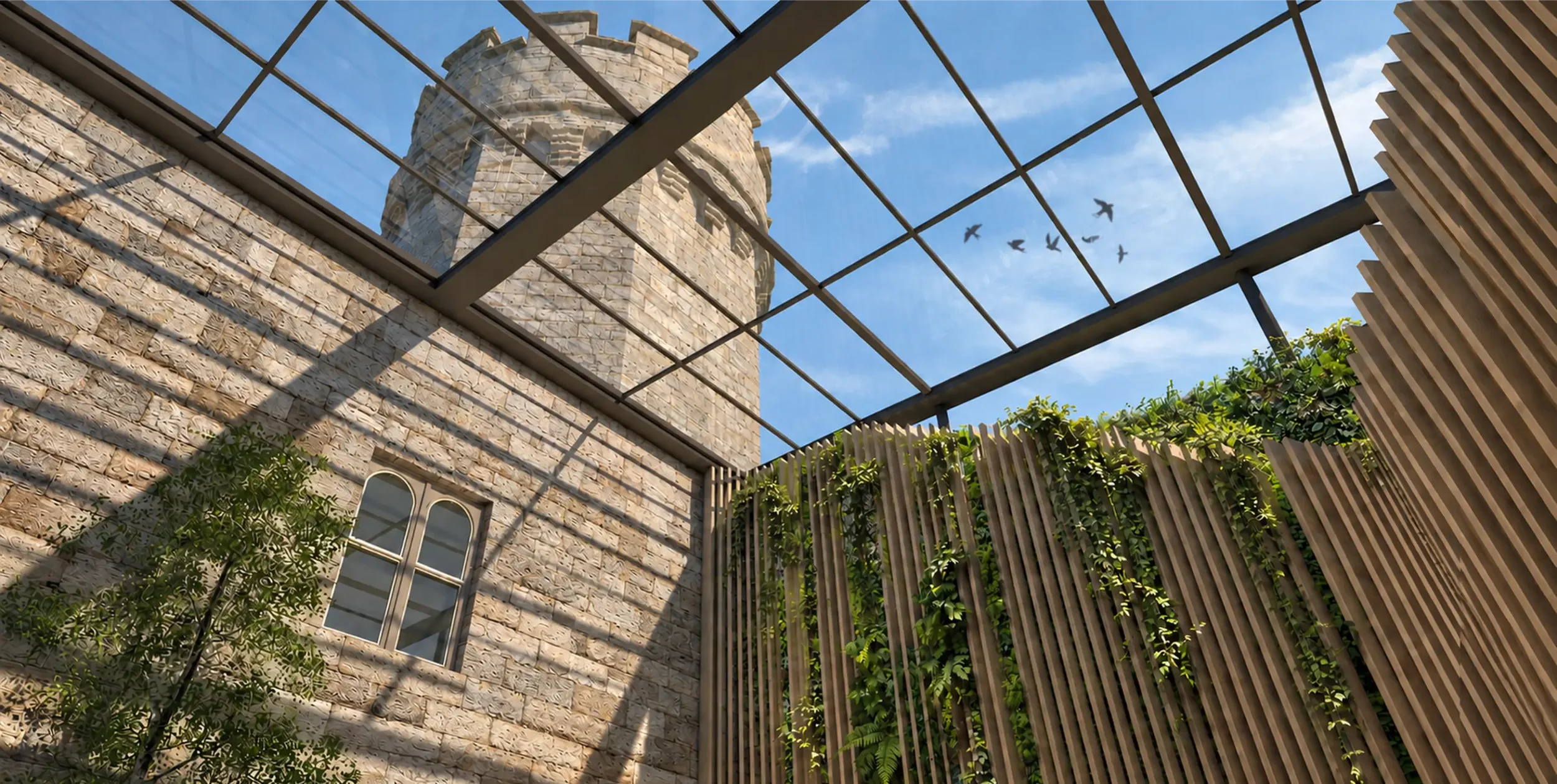
Dromoland Castle’s historic stonework forms part of the proposed courtyard thermal suite, connecting contemporary wellness design with the heritage of the site.
The original stonework, architectural detailing and relationship with the surrounding estate provided opportunities to create wellness spaces that feel connected to the castle’s heritage.
Our thermal suite concept explored the use of existing stone structures to create a more intimate environment, with warm timber, subdued lighting and carefully integrated thermal experiences.
Natural daylight entering through the original archways creates a contrast with the darker interior, highlighting the texture and character of the historic stone.
The design celebrates the existing architecture while introducing a contemporary wellness experience appropriate to the setting.
A considered approach to sustainable spa design
Sustainability in spa design involves decisions made throughout the design and development process, from the use of existing buildings to the selection of materials and the long-term operation of the facilities.
Where appropriate, retaining existing architectural elements and incorporating reclaimed materials can reduce demand for new resources.
Material durability is another important consideration, particularly within spa environments where surfaces are exposed to moisture, humidity, temperature changes and frequent cleaning.
Selecting finishes that are suitable for these conditions helps support the longevity of the interior and reduces the likelihood of premature replacement.
The technical design of spa facilities also has a significant influence on environmental performance.
Swimming pools, hydrotherapy facilities, saunas and steam rooms all have specific energy and water requirements. Early coordination with specialist engineers allows opportunities for efficient plant systems, insulation, heat recovery and water management to be explored alongside the architectural design.
These decisions require a coordinated approach, balancing environmental considerations with guest comfort, operational efficiency and the intended character of the spa.
Wellness gardens and outdoor experiences
Outdoor spaces can extend the wellness experience into the surrounding landscape.
Spa gardens, outdoor hydrotherapy pools, thermal bathing areas and quiet seating spaces offer opportunities for guests to enjoy fresh air, natural light and seasonal changes.
The relationship between indoor and outdoor facilities is particularly important when planning these environments.
Direct access from thermal suites, sheltered transitions between facilities and carefully positioned relaxation areas can encourage guests to make use of outdoor spaces throughout the year.
Planting also contributes to the experience, introducing seasonal colour, texture, fragrance and natural screening.
Where possible, selecting planting suited to the local conditions can help reduce maintenance and irrigation requirements.
A well-planned wellness garden creates a natural extension of the spa, allowing the landscape to become part of the guest’s experience.
Designing with a sense of place
Every location offers different opportunities for creating a connection with nature.
A woodland spa may draw on the textures and atmosphere of the forest, while a countryside retreat might celebrate traditional building materials and rural architecture. Within a historic property, original stonework and existing architectural features can provide the foundation for a distinctive wellness environment.
Our approach at Butterscotch Design begins with understanding these individual characteristics and exploring how they can influence the design.
Through the careful integration of natural materials, architecture, landscape and specialist spa facilities, we create wellness environments that reflect their surroundings and support the people who use them.
A considered approach to material selection, existing buildings and long-term functionality also helps establish a more responsible foundation for spa design.